Second Chance Lotteries: The Extra Play Most People Ignore
7/7/2025
Second Chance Lotteries: The Extra Play Most People Ignore
By Doug Moeller | Professional Gambler & Founder of Savvy Scratch
That scratch-off you just lost on?
A lot of players scratch it, sigh, crumple it up, and throw it straight in the trash.
Sometimes that means they’re literally throwing away another chance to win.
That’s what second chance lotteries are. They’re bonus drawings tied to certain losing tickets. And because a huge chunk of players either don’t know about them or can’t be bothered to enter, they end up being one of the easiest pieces of extra value most scratch-off players ignore.
I’ve spent over 15 years in professional gambling, from poker to blackjack card counting to casino advantage play, and one lesson never changes: if value is sitting there for free, you don’t leave it behind.
That’s all second chance is.
Not magic. Not a system. Just extra equity attached to a ticket you already bought.
If you want to make smarter scratch-off decisions before you even buy the ticket, sign up for Savvy Scratch here.
What a Second Chance Lottery Actually Is
A second chance drawing is exactly what it sounds like.
Your ticket loses on the main game, but instead of being totally dead, it can still be entered into a separate drawing for more prizes.
That’s the whole idea.
Usually the process is simple. You buy a qualifying scratcher. You lose. Then instead of tossing it, you enter the code through your state lottery’s site or app and that ticket becomes an entry into a bonus drawing.
That’s why I like second chance so much conceptually.
The money is already gone. The ticket is already in your hand. So whatever value comes from that extra drawing is bonus value attached to a purchase you already made.
That doesn’t suddenly make the original ticket a great bet. It just means the ticket might still have something left to give you after the first result says “no.”
Why This Matters More Than Most Players Think
Most people look at a losing scratch-off and think the story is over.
A smart player at least checks whether it really is.
Because the whole point of data-driven scratch-off play is to stop wasting value where you don’t have to. That applies before the buy, while you’re choosing games, and after the buy, when you’re deciding whether a losing ticket is truly worthless.
That’s one reason this topic fits so naturally next to Lottery Data: How to Use Numbers to Spot Scratch-Offs Worth Buying. Good scratch-off play is mostly about not throwing away useful information or useful value just because the average player does. (savvyscratch.com/blog)
The Hidden Edge Is That Most People Are Lazy
This is the whole thing.
Second chance entries are often ignored because people do not want another step.
They don’t want to make an account. They don’t want to enter a code. They don’t want to keep the ticket around. They don’t want to remember deadlines. They don’t want to check whether the game even qualifies.
So they toss it.
That’s why second chance can be interesting.
Not because it turns the lottery into some unbeatable game. It doesn’t. But because low participation is exactly what makes bonus drawings more worth caring about than people assume.
A lot of value in gambling comes from the same simple place: other people being careless.
How to Think About It the Right Way
Here’s the cleanest way to frame it.
If you were already going to buy the ticket anyway, and that ticket gives you one more shot at a separate prize drawing, then the extra entry is free upside attached to a cost you already accepted.
That’s it.
You don’t need to overcomplicate it.
It’s the same reason I keep pushing players to think more clearly about ticket selection in general. Best Scratch-Off Tickets: What Data Tells You About Your Odds is really about getting more value out of the buy on the front end. Second chance is just the back-end version of the same mindset.
Don’t leave value sitting there just because the average player doesn’t care enough to claim it.
How to Enter These Drawings
The exact steps vary by state, but the basic process is usually pretty similar.
You find your state’s second chance portal. You make an account. You enter the code from the losing ticket, or scan it if the state supports that. Then you make sure it’s submitted before the deadline.
That’s really all there is to it.
The annoying part is not that it’s complicated.
The annoying part is just that it’s one more thing.
And again, that’s exactly why people skip it.
Their laziness is the only reason this stays underused.
Not Every Game Has It
This is worth saying clearly.
Not every scratch-off comes with second chance value.
Some games do. Some don’t.
Sometimes it’s printed right on the ticket. Sometimes it’s tucked into the state lottery site. Sometimes it’s tied to a limited promotion. Sometimes it’s only on certain games or certain price points.
That means the smart move is not to assume every loser has extra value. The smart move is to know which games actually include it.
That’s another reason a tool matters. If you’re already trying to compare current game quality, top-prize life, and bonus features, that gets messy fast by hand.
If you want the “before you buy” side of that equation, How to Use an Odds Calculator to Pick Better Scratch-Offs fits naturally here. It’s all the same mindset: stop guessing.
Second Chance Does Not Rescue a Bad Game
This part matters.
A second chance drawing does not make a dead game good.
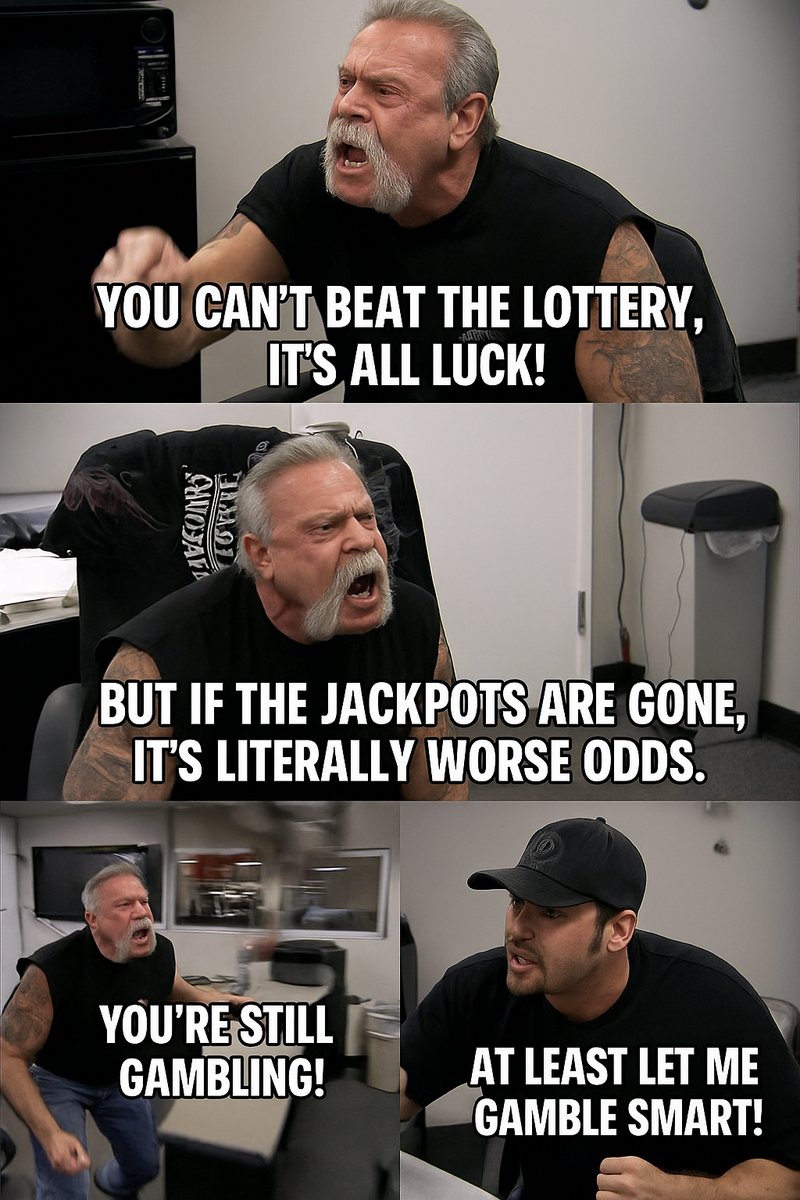
If the top prizes are already gone, or the game is badly depleted, slapping a second chance entry on top does not suddenly turn it into a smart buy.
That’s why Why Top Prizes Are the Only Thing That Actually Matters in Scratch-Offs belongs naturally in this post too. If the main game is already hollowed out, you should still think hard before buying it. Bonus value is nice. It is not a substitute for a healthy game.
Second chance should be treated like extra equity.
Not an excuse to buy junk.
The Real Smart Play
The smartest version of this is pretty simple.
Pick better games up front.
Then enter every qualifying loser.
That’s it.
You use the front-end data to avoid dead games and stronger bad buys. Then you use the back-end bonus system to squeeze every extra bit of value out of the tickets you already played.
That’s the whole move.
And honestly, that’s one reason this article fits really well beside Why a Winning Gambler’s Playbook Works for Scratch-Offs. Professional gamblers are trained to think in layers. Where is value leaking? Where are people being lazy? Where is there free upside that the average person ignores?
This is one of those places.
Keep the Ticket Until You Know It’s Dead
This sounds obvious, but it matters.
If you enter a ticket into a second chance drawing, do not throw it away until you are sure you no longer need it.
Keep it until the drawing is over. Keep it until you know it didn’t hit. Keep it until you know your state doesn’t require the original ticket for proof.
Because the whole point is to capture the value, not fumble it at the finish line.
Don’t Twist This Into a Reason To Buy More
This is where people can get dumb fast.
Second chance value is a nice add-on.
It is not a reason to suddenly buy more tickets than you planned.
If you catch yourself saying, “Well this one has second chance, so I might as well fire more,” you already lost the plot.
That’s backward.
The correct way to think about it is: if I was already comfortable buying this ticket, the extra drawing is a bonus.
That’s it.
This pairs naturally with Treat Your Lottery Budget Like Entertainment — Not an Investment and Scratch-Off Bankroll Management: The Tournament Pro’s Guide to Surviving Variance, because second chance only helps if it sits inside a sane budget. (savvyscratch.com/blog)
What Savvy Scratch Can Actually Help With
Savvy Scratch is not entering your second chance drawings for you.
What it does do is help you make the better decision earlier.
Which games still have real top-prize life.
Which games have stronger current odds.
Which games are worth your attention right now.
That matters because second chance is not supposed to replace good game selection. It’s supposed to stack on top of it.
Pick better. Then claim everything the ticket still offers.
That’s the real workflow.
If you want the better-game-selection side of that process handled for you, get started here.
The Only Real Mistake Here
The real mistake is paying for a ticket, losing on the main play, and then throwing away bonus value without even checking whether it was there.
That’s it.
Not because second chance drawings are some giant hidden gold mine.
Because they are free.
And free value is free value.
If you already bought the ticket, there is no good reason to be the person who funds the drawing and then can’t be bothered to enter it.
About the Author: Doug Moeller is a professional gambler with over 15 years of experience in poker, blackjack card counting, and casino advantage play, with over $500K in lifetime winnings. He built Savvy Scratch to bring the same data-driven approach that works at casino tables to scratch-off lottery tickets. Follow Doug on X | YouTube